
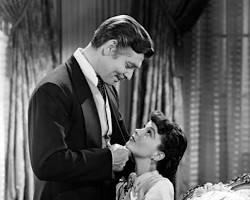
The world of cinema has evolved exponentially over the past few decades. Modern movies bring high-definition visual effects, immersive CGI, and sound design that shakes the theater floor. Yet, despite all these technological advancements, millions of movie enthusiasts frequently return to the timeless charm of classic cinema. The era often referred to as the Golden Age of Hollywood—spanning roughly from the late 1920s to the early 1960s—left a permanent mark on storytelling that modern blockbusters rarely replicate.
Understanding the deep appeal of classic movies requires looking beyond simple nostalgia. It comes down to the fundamental craft of filmmaking: original storytelling, brilliant dialogue, charismatic performances, and masterful directing techniques that relied on human creativity rather than digital shortcuts.
The Masterful Storytelling of the Golden Era
At the core of every great film from the classic era lies an incredible script. During the studio system era, screenplays were treated as the sacred foundation of production. Writers focused heavily on narrative structure, emotional depth, character development, and memorable dialogue.
Unlike many contemporary films that rely heavily on explosive action scenes to maintain audience engagement, classic cinema relied on tension, atmosphere, and human interaction. Films like Casablanca, 12 Angry Men, and Citizen Kane captivated audiences primarily through dialogue and character dynamics. Every line spoken served a clear purpose, either advancing the plot or uncovering a hidden layer of a character’s personality.
Unforgettable Personalities and Star Power
The Golden Age was defined by screen icons whose presence could carry an entire film. Actors and actresses of that era possessed a distinct charisma and stage presence refined through intense theatrical training and studio polishing.
Legendary Screen Icons Who Defined the Era
- Humphrey Bogart: Known for his rugged charm, deep voice, and stoic performance in legendary noir and drama titles.
- Audrey Hepburn: Brought effortless elegance, warmth, and expressive emotional depth to timeless romantic comedies and dramas.
- Cary Grant: The epitome of sophistication, wit, and perfect comedic timing in screwball comedies and suspense thrillers.
- Marilyn Monroe: A magnetic screen presence whose blend of vulnerability and star power captivated global audiences.
These performers did not just act; they embodied larger-than-life personas that left a lasting impression on pop culture history.
Practical Effects vs. Modern Computer Graphics
One of the greatest differentiators of classic cinema is its reliance on practical filmmaking techniques. Before digital effects existed, filmmakers had to invent physical solutions to turn their creative visions into reality on screen.
Sets were physically constructed with meticulous attention to detail. Stunts were performed live, and lighting was sculpted intentionally using physical shadows and physical contrast—a technique executed brilliantly in film noir classics. Directors like Alfred Hitchcock mastered suspense through camera angles, pacing, and sound design rather than relying on digital visual effects.
This reliance on tangible elements gives vintage films a sense of realism and weight. When a viewer watches a classic film, they are observing real physical spaces, genuine prop interaction, and practical lighting that creates a unique, organic atmosphere.
The Art of Black and White Cinematography
While color film brought a vibrant new dimension to the silver screen, black-and-white cinematography remains an unmatched art form. Filmmakers during the early classic era could not rely on color contrast to guide the viewer’s eye, so they mastered light, shadow, texture, and composition.
Noir masterpieces utilized deep shadows (chiaroscuro lighting) to evoke feelings of mystery, moral ambiguity, and paranoia. Directors of photography transformed monochrome visuals into a rich visual landscape where light itself became a central character in the story.
Why Classic Cinema Matters for AdSense and Readers Today
For film enthusiasts, studying vintage movies offers a rich understanding of how modern storytelling developed. Many of today’s greatest directors draw direct inspiration from classic filmmakers.
Key Takeaways for Movie Lovers:
- Pure Emotion Over Spectacle: Classic films prioritize genuine emotional connection over sensory overload.
- Timeless Themes: Issues of love, honor, sacrifice, ambition, and morality remain universally relatable across generations.
- Cinematic Heritage: Exploring classic movies provides historical context on how global art and culture transformed throughout the 20th century.
Final Thoughts on the Future of Film History
Classic cinema golden age masterpieces continue to inspire, entertain, and move audiences worldwide. As digital media grows increasingly fast-paced and effect-heavy, the deliberate pacing, exquisite craftsmanship, and emotional honesty of vintage movies stand out even more. Embracing these timeless cinematic treasures allows us to appreciate the true roots of modern entertainment.
1 thought on “Why Classic Cinema Golden Age Movies Still Hold True Magic”