
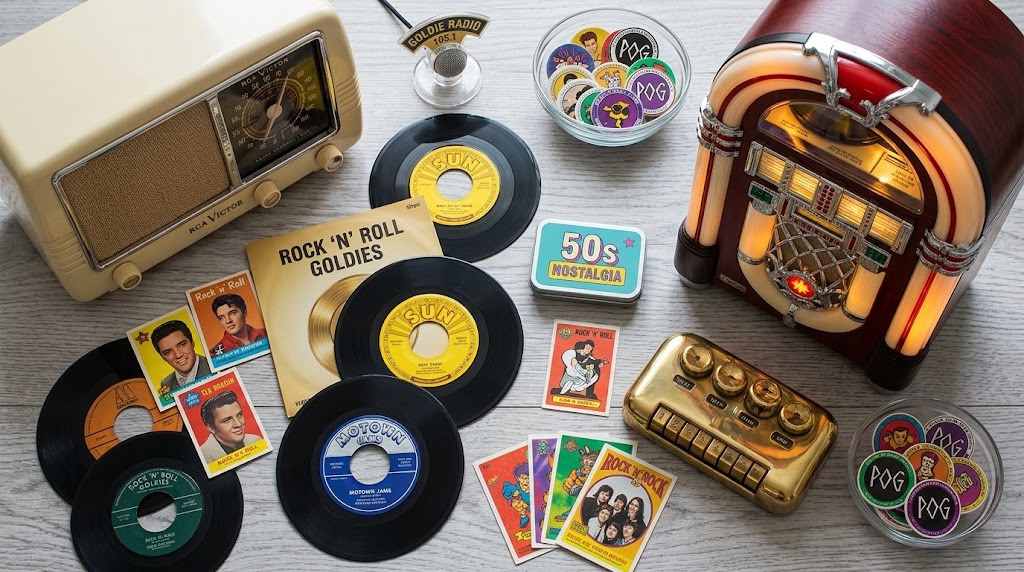
Have you ever wondered why a song recorded in the 1950s or 1960s can instantly change your mood, evoke vivid memories, or bring a feeling of warm comfort? In a world dominated by modern streaming algorithms, digital synthesizers, and rapidly changing viral music trends, one phenomenon remains constant: our deep-rooted love for oldies music.
From early rock ’n’ roll and doo-wop harmonies to Motown soul and classic 1970s pop, golden oldies continue to attract millions of listeners across generations. Oldies music is far more than a genre—it is a cultural time machine.
This comprehensive guide explores the psychology behind nostalgia, the history of classic music, and why oldies hits remain timeless masterpieces.
What Defines “Oldies” Music?
The term “oldies” traditionally refers to popular music from the mid-20th century, specifically spanning the 1950s, 1960s, and 1970s. It represents an era when physical vinyl records, jukeboxes, and AM radio stations ruled the entertainment world.
Oldies music encompasses several landmark musical movements:
- Early Rock ’n’ Roll (1950s): Driven by electric guitars, upbeat rhythms, and high-energy vocals from pioneers like Elvis Presley, Chuck Berry, and Buddy Holly.
- Doo-Wop & Vocal Group Harmonies: Romantic, smooth, and heavily reliant on layered vocal arrangements seen in groups like The Flamingos and The Platters.
- Motown & Soul (1960s): Infectious grooves, brass arrangements, and undeniable hooks popularized by artists like Stevie Wonder, The Supremes, and Marvin Gaye.
- The British Invasion: The global wave led by iconic bands like The Beatles and The Rolling Stones that reshaped pop music culture.
- Classic Pop and Folk Rock (1970s): Storytelling songs with acoustic instruments, honest lyricism, and memorable melodies.
The Psychology of Musical Nostalgia
Why do older songs feel more emotional than modern music? Neuroscientists and psychologists have discovered that music is uniquely wired into our brain’s memory centers.
1. The Reminiscence Bump
Psychologists refer to the period between ages 12 and 22 as the “reminiscence bump.” During these formative years, our brains experience intense emotional growth, self-discovery, and social milestones. The music we listen to during this period becomes permanently locked into our neural pathways. When you listen to oldies, your brain releases dopamine, triggering instant happiness and nostalgia.
2. Musical Empathy Across Generations
Interestingly, younger generations who were not alive in the 1950s or 1960s also feel nostalgia when listening to oldies. Known as “cascading nostalgia,” children and young adults inherit a love for classic songs through their parents and grandparents. Hearing an classic track brings back warm memories of family road trips, weekend mornings, or home gatherings.
Key Reasons Oldies Music Remains Superior
Music critics and everyday listeners alike frequently argue that classic hits possess a quality that modern digital tracks struggle to replicate.
| Feature | Classic Oldies Music (50s-70s) | Modern Digital Music |
| Recording Process | Analog tape, live group sessions | Digital Workstations (DAWs), editing |
| Instrumentation | Physical acoustic & electric gear | Software synths, MIDI, Auto-Tune |
| Lyricism | Universal storytelling, emotional | Trend-focused, fast-paced lyrics |
| Sound Dynamic | Warm, natural dynamic range | Highly compressed, loudness-driven |
Authentic Instrumentation and Recording Techniques
Before the era of digital audio workstations, Auto-Tune, and computer-generated beats, musicians recorded together in a single room. Band members had to synchronize perfectly. The warmth of analog tape, real drum kits, brass sections, and acoustic grand pianos created an organic, human sound profile that feels alive.
Universal Storytelling and Lyrical Clarity
Oldies tracks are renowned for their straightforward, heartfelt lyricism. Songs dealt with relatable human experiences—love, heartbreak, hope, dance, and personal freedom. The poetry was simple yet deep, making the lyrics easy to remember and sing along to across decades.
Unforgettable Melody Structures
The classic era prioritized melodic hooks. Composers worked tirelessly to craft song structures that stood out instantly on radio broadcasts. These iconic melodies remain embedded in global pop culture today through movies, commercials, and radio.
Iconic Eras That Shaped the Oldies Sound
To truly appreciate classic hits, we must examine the key decades that built the foundation of modern popular culture.
The 1950s: The Birth of Youth Culture
The 1950s marked a cultural revolution. Following World War II, teenagers emerged as an independent cultural demographic with purchasing power.
- The Jukebox Era: Diner culture and jukeboxes made music accessible everywhere.
- Genre Crossovers: Rock ’n’ roll emerged from a fusion of African American rhythm & blues, gospel, and country music.
- Key Icons: Elvis Presley, Chuck Berry, Sam Cooke, Frank Sinatra, and Nat King Cole.
The 1960s: Innovation and Cultural Movements
The 1960s expanded musical boundaries in every direction. Music shifted from simple entertainment to a voice for social change, peace, and artistic expression.
- Motown Magic: Detroit became the powerhouse of soul music, crafting crossover hits with studio precision.
- The British Invasion: British bands transformed global charts and songwriting styles.
- Key Icons: The Beatles, The Beach Boys, Aretha Franklin, Stevie Wonder, and Bob Dylan.
The 1970s: Diversity and Production Excellence
The 1970s introduced unmatched diversity in sound recording, giving rise to disco, classic rock, and smooth pop ballads.
- High-Fidelity Audio: Studio production reached peak technical sophistication on vinyl releases.
- Singer-Songwriter Renaissance: Solo artists focused on introspective, acoustic-driven compositions.
- Key Icons: ABBA, Fleetwood Mac, Queen, Elton John, and The Eagles.
How Oldies Music Adapts to the Digital Era
Many assumed classic songs would fade away as older generations aged, but digital technology has done the exact opposite—it has revitalized oldies music for a global audience.
1. Movie and TV Show Soundtracks
Blockbuster movies and hit streaming series frequently rely on classic 60s and 70s soundtracks to create emotional depth. When a hit retro track features in a pivotal scene, millions of young viewers search for the song online, sending classic tracks back onto digital charts.
2. Viral Social Media Trends
Short-form video platforms have introduced classic oldies to Gen Z and younger listeners. Nostalgic trends, vintage fashion clips, and lip-sync videos frequently feature retro hits, introducing legendary tracks to millions of new fans daily.
3. Vinyl Record Resurgence
Music lovers are increasingly turning away from purely digital streaming in search of tactile, high-quality audio experiences. Vinyl record sales have surged globally, with classic albums by artists like The Beatles, Fleetwood Mac, and Pink Floyd leading sales numbers year after year.
Frequently Asked Questions (FAQs)
What age group listens to oldies music?
While oldies radio stations originally targeted baby boomers, streaming data reveals that listeners of all ages—including teenagers and young adults—actively stream classic hits today due to movie soundtracks and social media trends.
Why does classic music sound warmer than modern music?
Classic songs were recorded using analog equipment, real room acoustics, and magnetic tape. This process adds soft natural harmonics and dynamic depth, whereas modern digital production can sometimes feel overly clinical or loud.
How do I start collecting classic oldies music?
You can start by exploring curated “Golden Oldies” or “Classic Hits” playlists on streaming platforms, purchasing vintage vinyl records at local record stores, or tuning into local nostalgia radio broadcasts.
Conclusion: A Timeless Legacy
Oldies music is not merely a collection of old recordings; it is a living bridge across generations. The raw passion, real instrumentation, and honest storytelling embedded in classic hits ensure that these songs will never lose their magic.
Whether you are revisiting the soundtrack of your youth or discovering these golden tracks for the very first time, classic music continues to offer comfort, joy, and inspiration in a fast-paced modern world. Turn on a vintage record, sit back, and let the timeless melodies play on!