Few things capture 1990s nostalgia like remembering life before smartphones took over. There’s a specific kind of quiet that people who grew up in the 1990s remember. It’s the quiet of a Sunday morning when the only sound was the hum of the refrigerator and maybe a lawnmower somewhere down the street. No buzzing phones. No notification pings. No one scrolling through an endless feed while sitting right next to you. If you close your eyes, you can probably still feel it.
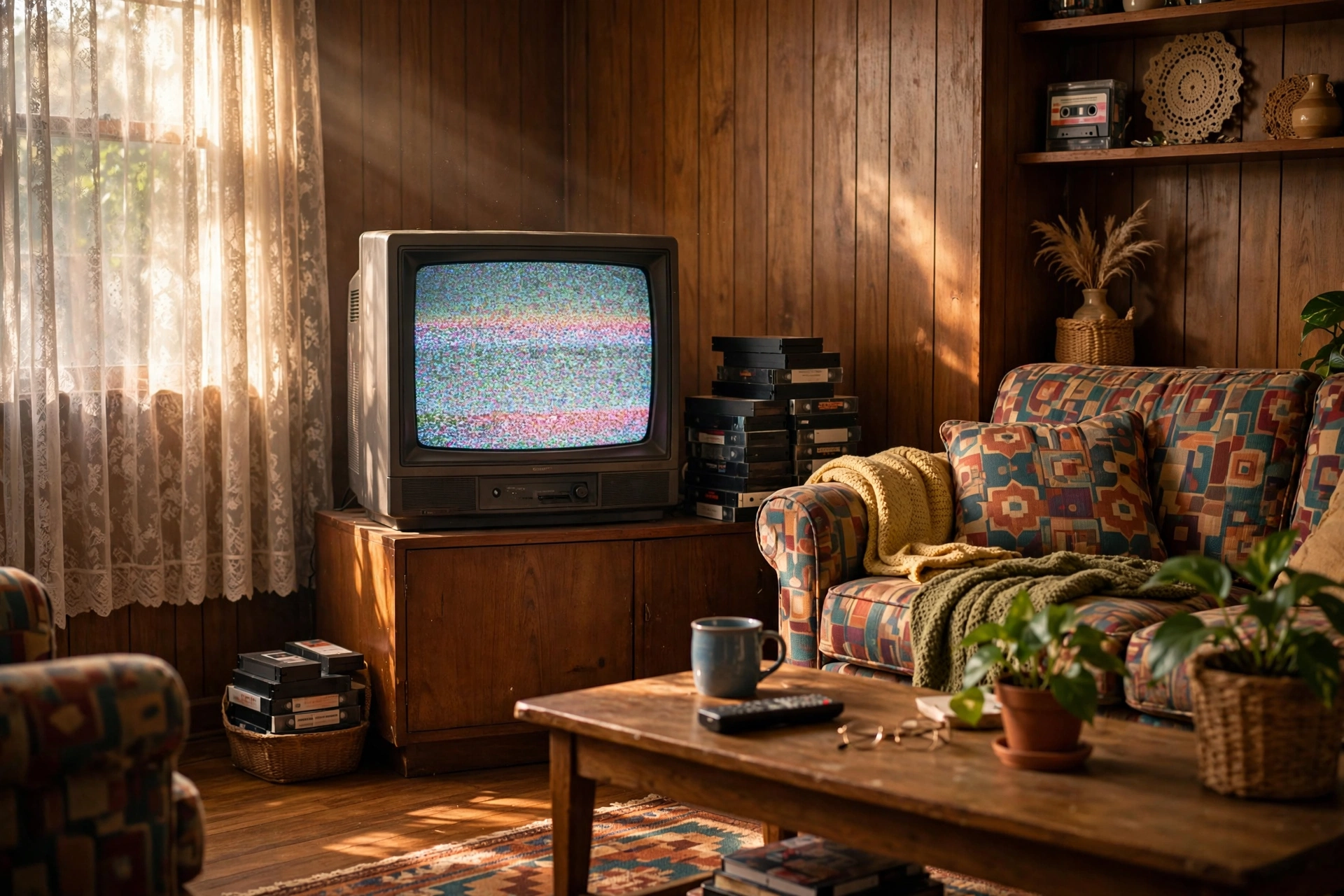
The Last Analog Childhood: 1990s Nostalgia at Its Peak
The 1990s were a strange and wonderful bridge between two worlds. We had technology, but it hadn’t yet swallowed our lives whole. The internet existed, but it came through a phone line that made horrifying screeching noises, and if someone picked up the telephone while you were online, you got kicked off. Being online was an event, not a constant state of being.
I remember the family computer in the corner of the living room. It belonged to everyone, which meant you negotiated for time on it. And when you finally got your turn, you treated those thirty minutes like gold. Compare that to today, when every person has their own glowing rectangle, and we’re somehow more connected and more alone at the same time.
Saturday Mornings Were Sacred
Ask anyone who was a kid in the 90s about Saturday mornings, and watch their face change. You’d wake up early voluntarily, pour a bowl of cereal, and plant yourself in front of the television. The cartoons were an event because they were ephemeral. If you missed an episode, you missed it. This is 1990s nostalgia at its purest. It created a shared culture. On Monday morning, every kid at school had watched the same shows. That shared experience is something we’ve lost. Today, with infinite choice, we often end up watching alone. Back then, limitation created community.
The Music Was Physical
There’s a reason vinyl records have made a massive comeback. Music in the 90s was something you could hold. You’d save up to buy a CD, and that CD was precious. You’d read the liner notes while listening, front to back. You couldn’t skip easily, so you learned to love the deep cuts.
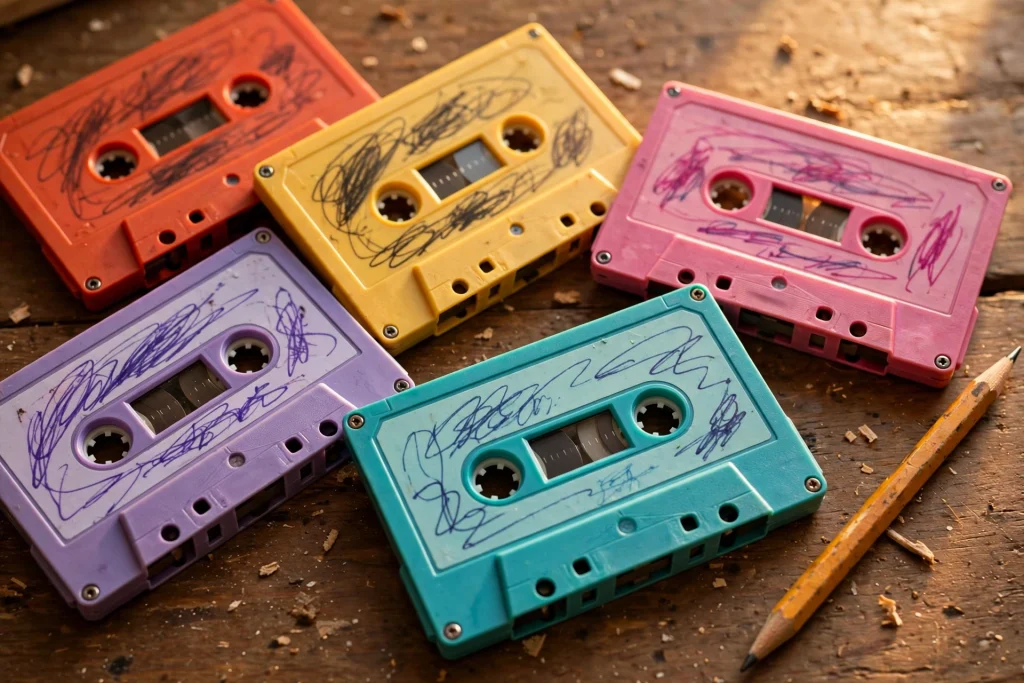
Making a mixtape for someone was one of the most intimate gestures possible. It took real time. You’d sit by the radio waiting for your song, finger hovering over record, praying the DJ wouldn’t talk over the intro. Today, you can send a playlist in ten seconds. It’s convenient, but it’s not the same. The effort was the point.
We Were Bored (And It Was Wonderful)
This might be the most important thing the 90s gave us: boredom. When you were bored, you had to invent something to do. You’d ride your bike until the streetlights came on. You’d build forts from couch cushions. You’d lie on grass and stare at clouds. Boredom was the birthplace of creativity. Without constant stimulation, our minds wandered, and in that wandering, we discovered who we were. Now, the moment boredom appears, we reach for our phones. We’ve eliminated the very thing that made us imaginative.
Friendships Required Effort
If you wanted to hang out, you had to plan. You’d call their house phone, leave a message with their mom, agree on a time and place, and actually show up — no last-minute “running late” texts. This effort made friendships intentional. When you were with someone, you were really with them. No half-attention. You looked at each other. You listened. I have friends from that era I still talk to, and there’s a depth that’s hard to replicate. We earned each other’s time.
The World Was Bigger
Before Google Maps, getting lost was possible, and often wonderful. You’d unfold a paper map or ask a stranger for directions. People were helpful. Before instant facts, the world was full of mysteries. Arguments about trivia could last for days. These debates were fun. Now someone Googles it in three seconds and the conversation dies. Mystery made the world feel larger and more magical.
What We Can Learn
I’m not saying we should throw smartphones in a lake. The modern world has given us miracles — video calls across continents, knowledge in our pockets. But the 90s remind us: constraints can be gifts. Boredom breeds creativity. Effort deepens relationships. Being present is a choice. Maybe put the phone in another room during dinner. Let yourself be bored. Listen to an album front to back. Write someone a real letter on paper. The 90s aren’t coming back, but connection, presence, and wonder are still available. We just have to choose them.
Why 1990s Nostalgia Still Matters
Nostalgia, at its best, is gratitude. It’s our hearts saying: that was good, and I’m thankful. The 90s remind us that life can be rich without being fast, connected without being constant, and joyful without being documented. Maybe we can’t go back. But we can carry the spirit of that decade forward: more presence, more patience, more wonder. That’s the gift of 1990s nostalgia.
If you loved this trip down memory lane, read our story on the lost art of the mixtape next. What’s your favorite 1990s nostalgia memory?
Pingback: Mixtape History: The Lost Art of Sharing Music | NostalgiaHub
Pingback: Saturday Morning Cartoons: When the Weekend Started With Cereal and a Remote - NostalgiaHub
Pingback: Childhood Outdoor Games: 10 Wonderful Memories
Pingback: Drive-In Theaters: 7 Unforgettable Movie Nights Under the Stars
Pingback: Walkman History (1979): Sony's Ultimate Portable Music Revolution - NostalgiaHub